Role brief · Head of Product & Customer Insight

Turn customer evidence into better decisions.

Keep TopspinPro genuinely close to its customers and partners across products, sports and markets — then turn what you learn into practical action the team acts on.

You own the customer and partner evidence loop that brings clear recommendations to product, marketing/positioning, education & partnerships.

Why this role exists now

TopspinPro is a tennis business at its core. Moving into pickleball meant little more than changing the ball on our established product, and it sold. The SpinPro for pickleball, launched in 2024, went differently: once the initial push faded, so did our focus, and we lost visibility into who was using it and how. We’re now bringing the SpinPro for tennis to our core market, and a repeat of that outcome would be costly. The risk is greater with a leaner team, and greater still as we move into padel. This role exists to keep our decisions grounded in customer evidence, so a smaller team can still grow the business.

1

More products, thinner focus

SpinPro Tennis, then SpinPro Padel, alongside the bread-and-butter TopspinPro Tennis and Pickleball range. More products means our attention is spread thinner — and the easy mistake is to launch, move on, and lose sight of who’s actually using what.

2

A leaner team, aiming to grow

After a tough 18 months we’re a smaller team with less cash than we used to have. That makes guessing expensive. Customer evidence is how we point our limited time and money at the decisions most likely to drive growth and business health.

Objectives

These are all business objectives — what the company is working toward. The cards below are your contributions to them: the customer evidence and insight that moves each one forward, from the near-term work in front of you to the longer-term destinations it builds toward.

Listen and learn through the SpinPro launches Flagship

The two live launches — SpinPro Tennis (~2–3 weeks away) and SpinPro Padel (end of July, with The Padel School) — are your listening and learning phase. Capture the early language, questions, friction and praise as customers meet these products for the first time. What you learn shapes the whole ecosystem around them: education content, smooth customer service, and the first batch of product iteration at the factory. Padel is a converted product with no in-house expertise, so lean on The Padel School and listen harder than you lead.

Everything below flows from the launches

1

Design the customer’s first 21 days onboarding

We’ve always built the new-customer journey on hunches. Replace them with evidence: is 21 days overwhelming or about right? What can customers realistically do in week one? Why do people stop training — and what would keep them going? This is the single home for everything about the welcome series and the first-21-days journey.

2

Get on the pulse of product issues

Be the first to understand it deeply when something goes wrong. An early SpinPro Tennis customer damaged their racket — and the video showed they were hitting the ball incorrectly. So is it a product problem or an education problem? Interview the customer, watch the footage, and get to the real story: do customers expect to hit the ball hard, and will they be frustrated by that limitation? If we offer education, are people actually watching it — or would a warning label they’re forced to read and remove work better? And is it a big enough problem to fix in the next production run?

3

Build customer understanding

Gather the real motivations, frustrations and exact phrasing customers use, and hand Doug a first batch of customer-language for the website and ads.

4

Build club & coach understanding

SpinPro could be a natural fit for clubs and coaches — its size and price point potentially suit that setting better than the recreational market — so it’s vital we genuinely understand this segment. Get to know the club and coach world for the first time: their objections, their incentives, and where the real value is for them. This is the groundwork a coach-led flywheel would be built on, so we can finally strategise it rather than “try something and see.” Warm intros come via Brian.

5

Discover education opportunities

Beyond the serve course already in production, identify an education gap for SpinPro that solves a real, evidenced customer need. Mine the live classes for this too — watch the replays and questions, spot recurring confusion.

The customer knowledge system

In the past, what we learned tended to live in scattered, one-off conversations and surveys — and the things that mattered were too easily lost once the moment passed. Systemising it is how we hold on to what counts and turn it into clarity, rather than relying on whoever happened to be in the room.

1
Collect

Gather the signals

Reviews (website + Amazon), public and social chatter, CS tickets, return reasons, pre-sale questions, warranty and spares signals, the post-purchase and incentivised surveys, Klaviyo welcome-flow engagement, JTBD interviews, The Padel School partner insight, Academy questions and live-class replays.

2
Structure

One living picture

Build a knowledge repository — a structured sheet tagged by theme, source and sport/product. Quotes, complaints, return reasons, content gaps, use cases, objections and open questions, all in one searchable place.

3
Feed back

Close the loop

The patterns that matter go back to the team as evidence → recommendation items the owners pick up, and anything actionable becomes a tracked task. Two lightweight rhythms keep customer learning visible without heavy process.

Monthly pulse check

Once-a-month all-hands segment.

  • Interesting reviews & surveys: positive & negative.
  • Interesting customer & partner interviews: early thoughts, themes.
  • Academy usage, feedback.

Quarterly deep dive

Dedicated deep-dive into insights from the quarter.

  • Recap on last quarter.
  • Product.
  • Buyer motivation and blockers.
  • Refund / return patterns.
  • Education gaps.
  • Use cases / secondary use-case opportunities (coaches, clubs).

Your areas of impact

Where your evidence lands, who owns the decision, and what you hand them. For anything cross-functional you bring a one-page evidence → recommendation; the named owner green-lights.

Area
You provide
Owner decides
Useful outputs
Decision impact
Marketing
Customer language, motivations, blockers, use cases and proof points.
Doug. Campaigns, creative, channels.
Messaging briefs, testimonials, objection map.
Clearer copy, better angles, real differentiation.
Product
Customer-backed issues, launch feedback, the cupboard evidence and improvement priorities.
Phil + Steve + Kristian. Feasibility, cost, timing.
Improvement backlog, launch feedback report.
Fewer assumption-led product calls.
Academy
First-21-day gaps, evidenced course needs, live-class question themes, onboarding friction.
Phil + Zoe. Education strategy, format, production.
Welcome-series fixes, course briefs, question themes.
Education matched to the real journey.
Partner insight
The Padel School feedback and padel-specific customer understanding.
Doug / Phil manage the partner relationship; you open the insight line.
Padel launch insight themes, questions, language.
Padel launch decisions informed by real expertise.
Customer service
Themes from tickets, complaints, returns and warranty/spares friction.
Olivia / CS. Daily responses, policy, resolutions.
Root-cause themes, return-reduction ideas.
Less preventable frustration and reputation risk.
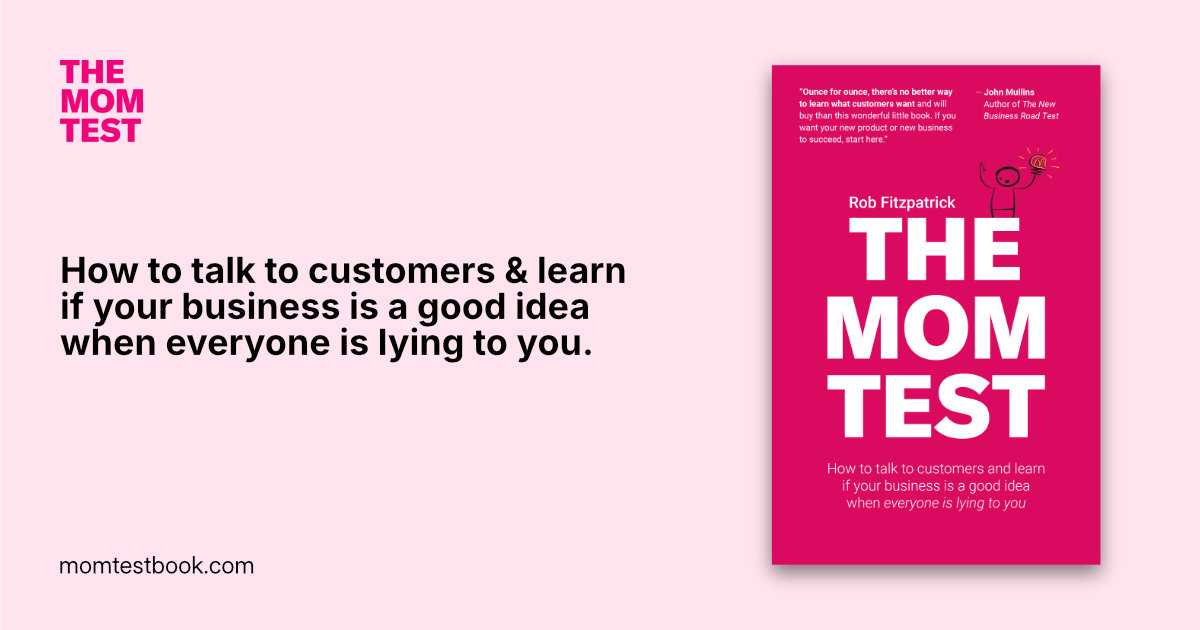
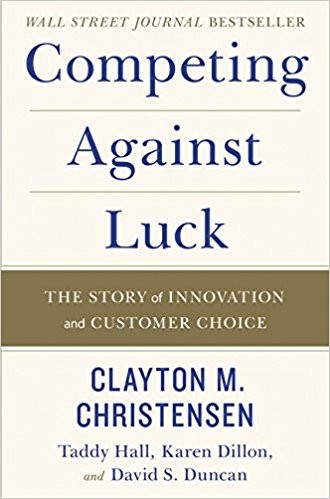
Useful resources

A few books and articles I’ve found useful along the way.